Hey folks, it’s your go-to standard expanded metal supplier here—so let’s cut to the chase: if you’ve ever stocked our product and thought, “Can I paint this stuff?”, you’re definitely not alone. I get this question at least a dozen times a week, whether it’s from a contractor finishing up a facade, a warehouse upgrading storage racks, or a small business owner sprucing up storefront security grilles. Today, I’m breaking this down straight, no jargon, because I’ve seen what happens when you skip the right steps (spoiler: it usually ends with peeling paint, wasted time, and a “why didn’t I ask first?” vibe). Standard Expanded Metal
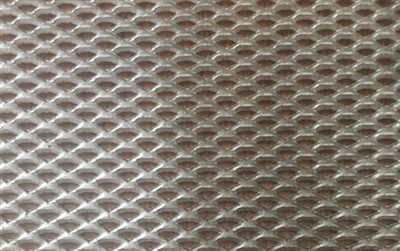
First, let’s get a quick 101 on standard expanded metal, just so we’re on the same page. It’s not the same as welded wire mesh or perforated metal—we punch and stretch thin metal sheets into uniform, diamond-shaped openings, no welding involved. Most of the time, it’s made from aluminum, steel (mild steel, to be specific), or sometimes stainless steel, depending on what the customer needs. That base metal is the biggest factor here when it comes to painting, because each type has its own quirks for paint adhesion.
Mild steel standard expanded metal is the workhorse of our line—we use it for everything from factory flooring to heavy-duty shelving. But here’s the thing: mild steel rusts. Fast, if you leave it exposed to moisture or chemicals. So painting it isn’t just a cosmetic choice for most folks; it’s a way to protect the metal from corrosion, which makes it last 2, 3, even 10 years longer if done right. Aluminum, on the other hand, is much more corrosion-resistant, but it’s also super smooth—paint doesn’t stick to it well unless you prep it correctly. Stainless steel? Even smoother, and while it doesn’t rust, it can have that “stainless steel sheen” that some clients want to tone down for design projects.
Now, the main question: yes, standard expanded metal absolutely can be painted. But “can” is a big word—how well it turns out depends way more on your prep work and the type of paint you pick than the metal itself. I’ve seen customers grab any spray can from the hardware store, slap it on, and watch it flake off in a month because they skipped the cleaning step. Don’t do that. Let’s walk through the real steps we recommend, from a supplier who’s seen it all.
First, prep is non-negotiable. Let’s start with the metal’s surface. For new mild steel expanded metal, you might think it’s clean straight off the coil, but it’s not—we add a light oil coating to prevent rust during shipping and storage. That oil is a paint killer. You need to strip it off first. What works? Degreaser, simple as that. You can use a strong household degreaser, or a metal-specific one from the store, scrub the surface with a stiff brush, rinse it off with water, and let it dry completely. No dampness—moisture under paint = rust bubbles.
Next, you’ll want to rough up the surface a little. This is called “abrasion,” and it’s how you give paint something to grip onto. For mild steel, a light sanding with 120-grit sandpaper works—you don’t need to go nuts, just scuff the surface so it’s not smooth anymore. For aluminum and stainless steel, skip the sandpaper and use a chemical etching solution instead. Aluminum and stainless have that super smooth, non-porous surface that sandpaper might not scratch enough to get good adhesion. Etching solution creates tiny little pores in the metal that paint can sink into and stick to—way more effective than sanding for these metals. And don’t forget to wipe off any dust or leftover etching residue after you’re done. If that dust stays on, paint will bubble right over it.
Now, pick the right paint. This is where a lot of people mess up. Regular interior latex? That’s for drywall, not metal. You need a paint made for metal, or a primer + paint combo designed for the specific metal you’re working with. Let’s break it down:
For mild steel: You’ll want a rust-inhibiting primer first, 100%. Regular primer doesn’t stand a chance against steel’s tendency to rust. I always recommend an oil-based or zinc-rich primer—zinc is like a shield for steel, stops corrosion before it starts. Then, top it with an enamel paint (acrylic enamel works great for both indoor and outdoor use, holds up to sun and rain). Avoid flat latex on outdoor mild steel expanded metal—it’ll chip and fade fast.
For aluminum: As I said earlier, it’s smooth, so adhesion is key. Use an etching primer specifically for aluminum—don’t skimp here. Then, you can top with acrylic or urethane paint, whatever finish you want (gloss, satin, flat—just make sure it’s compatible with the etching primer). I’ve had clients use spray paint for small projects, but for larger jobs, a roller or HVLP sprayer works better for even coverage in the diamond openings.
For stainless steel: It’s the trickiest to paint, but not impossible. You still need that etching primer—stainless is even slicker than aluminum. A high-temperature epoxy primer works best here, especially if the metal will be near heat (like kitchen equipment grilles or HVAC vents). Top with an epoxy or urethane topcoat for durability. One pro tip: if you’re painting stainless steel for a design project, a matte or satin topcoat will hide the light reflection better than gloss.
Wait, what about galvanized expanded metal? Oh, right—some of our standard expanded metal comes pre-galvanized, which is zinc-coated to prevent rust. Painting galvanized metal is a different ballgame, but still doable. The big thing here is that galvanized metal has a protective layer of zinc, and paint won’t stick to it unless you weather it first. How? Leave it outside for 30-90 days so the zinc oxidizes (turns dull, not shiny). Or, if you don’t have time, use a special galvanized metal etching primer that breaks down the zinc layer. Skip regular primers here—they’ll peel.
Now, let’s talk about application method. Because expanded metal has all those diamond openings, it’s easy to miss spots or get paint clogs. If you’re using a spray can, hold it 8-10 inches away from the metal, and use light, even coats. Don’t drench it—wet paint will run into the openings and clog them up, which defeats the purpose of expanded metal (airflow, visibility). For larger pieces, a sprayer is way better than a roller, but if you use a roller, pick a short-nap roller so it doesn’t get stuck in the diamonds. And always do 2-3 thin coats, not one thick coat. It dries faster, adheres better, and is less likely to chip.
I should also mention a few common mistakes I see all the time. First, painting in cold or humid weather. If the temperature is below 50°F (10°C) or above 90°F (32°C), or if there’s more than 50% humidity, paint won’t cure right. It’ll stay sticky, or peel off later. Second, not waiting between coats. Follow the paint can’s instructions for dry time—usually 2-4 hours between coats, but make sure it’s fully dry before you touch it. Third, skipping primer. Primer isn’t just a “pre-step”—it’s the glue that holds the paint to the metal. Skip it, and you’ll be repainting in 6 months.
Now, is there a time you shouldn’t paint standard expanded metal? Well, if it’s going to be in a super harsh environment—like a chemical plant with constant acid exposure—stainless steel or aluminum is a better bet than painting mild steel. But for most residential, commercial, and light industrial uses? Painting works perfectly. We’ve had clients paint our mild steel expanded metal for porch railings, storefront signage, even custom art pieces—turning a plain metal sheet into something that matches their brand or home decor.
A quick word from a supplier’s perspective: if you’re ordering standard expanded metal and plan to paint it, let us know when you place your order. We can leave the oil coating on for you (so you don’t have to strip it if you’re painting within a week) or even recommend the best metal type for your project based on your paint plan. I’ve had clients call back later saying their painted expanded metal is holding up for years, and a few that came to me after a bad paint job because they didn’t prep right—lesson learned, obviously.
At the end of the day, painting standard expanded metal isn’t hard, but it’s not just “spray and go.” It’s about prep, right paint, and taking your time. If you’re working on a project and have questions—whether it’s what metal to pick, how to prep, or what paint works best—hit me up. I’m the guy who’s been handling standard expanded metal for years, so I can give you the straight scoop, no sales pitch, just what works.

Don’t waste time and money on a bad paint job. Reach out, and let’s make sure your expanded metal looks good and lasts.
Flattened Expanded Metal References
- Metal Painting Association. (2022). Best Practices for Painting Expanded Metal Surfaces. Retrieved from industry technical guidelines
- American Iron and Steel Institute. (2021). Corrosion Protection Methods for Mild Steel Structures. Retrieved from construction engineering resources
- Aluminum Association. (2020). Surface Preparation and Coating Guidelines for Aluminum Metal Products. Retrieved from material application standards
- Galvanizers Association. (2019). Painting Galvanized Steel: Step-by-Step Application Guide. Retrieved from corrosion control best practices
Anping Yilida Metal Wire Mesh Co., Ltd.
Anping Yilida Metal Wire Mesh Co., Ltd. is one of the most reliable standard expanded metal manufacturers and suppliers in China, also supports customized service. Please feel free to buy bulk high quality standard expanded metal made in China here from our factory.
Address: Wire Mesh Development Zone, Anping, Hebei Province, China
E-mail: sales@wiremesh-yg.cn
WebSite: https://www.yilidametal.com/
