Hey everyone, and welcome back to the blog. Today’s topic is something I know a lot of you might not think about too often—glycol ethers, and how to stay protected if you work with them. Since I’m a glycol ethers supplier, I get asked this question all the time from our clients, their teams, and even folks who are just starting out in industries that use these chemicals. Let’s keep this real, no stuffy jargon, and break down exactly what you need to know to stay safe. Glycol Ethers

First off, let’s get the basics out of the way. Glycol ethers are super common, right? You’ll find ’em in paints, coatings, cleaning products, inks, even some pharmaceuticals. They’re great solvents, which is why so many industries rely on ’em—but that also means if you’re handling them, you need to take steps to avoid exposure. I’ve seen too many people brush off safety here, like it’s just another chemical, but that’s a mistake. Even small, repeated exposure can add up over time, so it’s not something to take lightly.
Let’s start with the most obvious: route of exposure. How do glycol ethers get into your body? Three main ways—inhalation, skin contact, and ingestion. Inhalation is probably the biggest risk for people working in warehouses, paint shops, or manufacturing plants where these chemicals are used or stored. Skin contact is also a big one because glycol ethers can absorb through the skin pretty easily. Ingestion is less common, but if you’re handling chemicals and then touching your mouth, nose, or food without washing up, that’s a hazard too. So keeping that in mind as we go through protection steps is key.
First up, engineering controls. These are the big-picture, workplace-focused steps that do the heavy lifting before you even think about personal gear. If I’m working with our glycol ethers, the first thing I check is ventilation. No question about it. If you’re in a space where these chemicals are being used or poured, you need good, strong ventilation. That means exhaust fans that pull vapors right out of the air—locally, not just general room fans. General fans might move air around, but they don’t get rid of the fumes where you’re breathing. For enclosed spaces, like tanks or mixing stations, you need proper fume hoods or air-supplied systems. I always tell our clients: if your team is working in a small, closed room with glycol ethers, and you can’t smell the ventilation working, fix that first. It’s not a “set it and forget it” thing—check the ventilation daily, especially if you’re using large amounts of product.
Another engineering control: proper storage. We ship our glycol ethers in sealed, heavy-duty drums or bulk containers, but once they’re on-site, make sure they’re stored in cool, dry, well-ventilated areas away from direct sunlight and heat sources. Glycol ethers can vaporize more when it’s hot, so storing ’em at room temp (or lower, if possible) reduces the amount of fumes in the air. Also, keep them away from incompatible materials, but that’s a side note—just don’t leave drums open when not in use. A lot of exposure happens when containers are left unsealed, so that’s a quick win.
Next, administrative controls. These are the rules and habits you build at work to keep exposure low. First, training. If you’re handling glycol ethers, you should know exactly what you’re dealing with—their risks, how to handle them, what to do in an emergency. We make sure all our clients get a safety data sheet (SDS) with every shipment, and I always tell them to go over that sheet with their team, not just file it away. The SDS has all the info you need: exposure limits, first aid, proper handling. No one should be using these chemicals without reading that.
Then there’s good work practices. No eating, drinking, or smoking near areas where glycol ethers are present. I know, it’s convenient to take a break right by the mixing station, but that’s how you get ingestion. Also, no horseplay—obviously, but accidents happen when people are in a hurry. Take your time, label containers clearly, don’t mix glycol ethers with other stuff unless you know what you’re doing. And if you spill something, clean it up right away. Even a small spill can release a lot of vapors, so don’t wait to handle it. I’ve seen spills left for hours because someone said “it’s not that big”—don’t do that.
Now, the personal protective equipment (PPE) part, which is what most people think of first, but it should be the last line of defense, not the first. Let’s break this down by route of exposure.
For skin contact: gloves. Not just any gloves—nitrile or butyl rubber gloves. Latex or vinyl? Those don’t hold up to glycol ethers. I’ve had a client tell me once their team was using latex gloves and wondering why they were getting rashes—turns out, the latex was letting the chemicals through in 10 minutes. So make sure your gloves are thick enough, and change them regularly. If a glove gets punctured or torn, take it off immediately and wash your hands. Also, long-sleeved shirts and long pants—no short sleeves or exposed skin when handling these chemicals. Even if you’re just pouring a drum, roll up your sleeves? No, keep them down. And closed-toe shoes, obviously. No sandals or flip-flops on the job here.
For inhalation: respirators. This depends on how much you’re exposed to. If you’re in a space with low levels of fumes, a half-face respirator with organic vapor cartridges works. But if you’re in a high-exposure area—like spraying paint with glycol ethers, or working in a poorly ventilated warehouse—you need a full-face respirator, maybe even a supplied-air respirator that gives you clean air from a tank. The key here is to test your respirator fit every time you use it. If it doesn’t seal to your face, it’s useless. Also, replace cartridges when they start to smell, or according to the schedule in your SDS. A lot of people forget to change cartridges, and then they’re breathing fumes through old, ineffective ones.
Now, let’s talk about some myths I hear all the time, because that’s where people go wrong. First myth: “If you don’t feel anything, you’re fine.” No. Glycol ethers can be irritating, but not always. Some types are odorless, so you might not smell them even if you’re breathing them in. Repeated low-level exposure is a bigger risk sometimes than a one-time big exposure. Second myth: “PPE is enough, so I don’t need ventilation.” No, engineering controls are better. Ventilation reduces the amount of chemicals in the air, so your PPE doesn’t have to work as hard. Third myth: “All glycol ethers are the same.” Nope. There are different types—like ethylene glycol ethers vs. propylene glycol ethers—and their exposure risks are different. Make sure you know exactly which kind you’re handling, because the safety steps might be a little different.
Wait, also, what about if you’re at home? A lot of people use products with glycol ethers at home—like paint strippers, some all-purpose cleaners. The steps here are simpler, but still important. Open windows when using these products, don’t use them in a closed room like a bathroom. Wear gloves when cleaning or painting, and wash your hands after. Don’t mix different cleaning products—sometimes that can make more toxic fumes, too.
Now, let’s talk about what to do if you do get exposed. Skin contact: take off contaminated clothes right away, wash the area with lots of soap and water for at least 15 minutes. Inhalation: move to fresh air immediately, if you’re having trouble breathing, get medical help right away. Ingestion: don’t induce vomiting, call a doctor or poison control right away. Keep the SDS handy so you can give the doctor all the info about the chemical you were exposed to. That’s why keeping the SDS close is so important.
Since I’m a glycol ethers supplier, I want to make sure our clients (and anyone else reading this) knows that we don’t just sell product—we’re here to help with safety stuff, too. We provide detailed SDS for every shipment, and our team can walk you through the right safety steps for your specific use case. Whether you’re a small shop or a big manufacturing plant, we can talk through what works for your space, because we’ve been in this game long enough to know that one size doesn’t fit all.
Wait, let me circle back to workplace stuff. A lot of small businesses might skip on safety gear to save money, but that’s a false economy. If your team gets sick from exposure, that’s way more expensive than buying good gloves or a ventilation system. We’ve had clients who cut corners on PPE and ended up with workers’ comp claims that cost thousands more than the safety gear would’ve. It’s just not worth it.
Another thing: regular monitoring. Some workplaces use air monitoring tests to check for glycol ether levels in the air. That’s a good step, especially if you’re using these chemicals daily. The tests can tell you if your ventilation or PPE is working, so you can adjust before anyone gets exposed. It’s a proactive step, not just waiting for someone to get sick.
Let me make this personal, since I said I’d keep it real. I started in this industry 15 years ago, working on the warehouse floor before moving into sales. Back then, I saw a guy who got careless with a glycol ether drum—he left the lid off in a small room, didn’t use a respirator. He ended up with headaches and dizziness for weeks, and he said he never felt right after that. That’s stuck with me. Safety isn’t a rule to follow, it’s looking out for your coworkers, your team, yourself. No one wants to have a story like that.
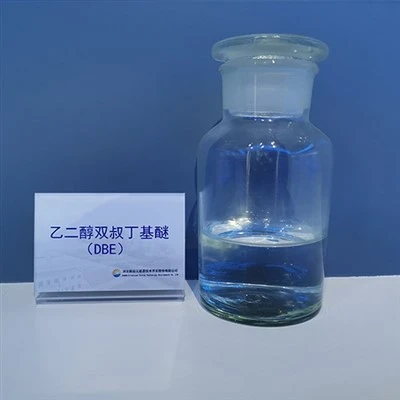
So to wrap this up, the steps are simple, if you take ’em one by one. First, fix your workplace controls: ventilation, storage, no open containers. Second, follow administrative rules: training, no eating in work areas, cleaning spills fast. Third, wear the right PPE, not the cheap stuff, and use it correctly. And always, always have that SDS handy, know your chemical, and if you’re not sure, ask someone—we’re here to help.
Ester Solvents If you’re a business using glycol ethers and you want to talk through your safety setup, or you’re looking for a reliable supplier that cares about your team’s well-being, don’t hesitate to reach out. We can answer questions, send over safety resources, and make sure you get the right product with all the info you need to stay safe.
References
- Occupational Safety and Health Administration (OSHA). Glycol Ethers: Chemical Safety and Health Hazards.
- National Institute for Occupational Safety and Health (NIOSH). Criteria for a Recommended Standard: Occupational Exposure to Glycol Ethers.
- Safety Data Sheet (SDS) Guidelines for Glycol Ethers, American Chemistry Council.
Hebei Xinxinyuan Energy Co., Ltd.
Hebei Xinxinyuan Energy Co., Ltd. is one of the most professional glycol ethers manufacturers and suppliers in China, featured by quality products and good price. Please rest assured to wholesale customized glycol ethers made in China here from our factory.
Address: Zhongjie Industrial Park, Huanghua City, Cangzhou City, Hebei Province, China
E-mail: atl2066@qq.com
WebSite: https://www.xinxinyuanfr.com/
