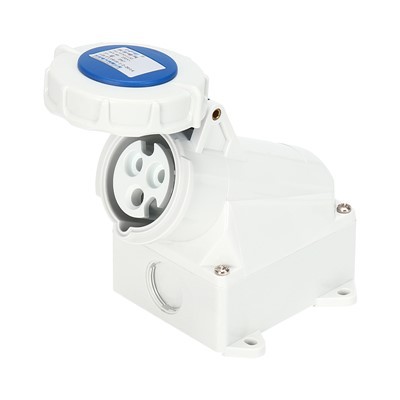
As a seasoned supplier in the industrial connector industry, I’ve witnessed firsthand the crucial role these components play in various industrial applications. In this blog post, I’ll delve into the inner workings of industrial connectors, exploring their design, functionality, and importance in modern manufacturing. Industrial Connector
The Basics of Industrial Connectors
Industrial connectors are specialized devices used to establish electrical or mechanical connections between two or more components in an industrial setting. They are designed to withstand harsh environmental conditions, including extreme temperatures, vibrations, and exposure to dust and moisture. These connectors come in a variety of shapes, sizes, and configurations, each tailored to specific applications and requirements.
The primary function of an industrial connector is to provide a reliable and secure connection between two or more electrical circuits or mechanical components. This connection must be able to transmit power, signals, or data efficiently and without interference. To achieve this, industrial connectors are typically made from high-quality materials, such as metals, plastics, and ceramics, and are designed to meet strict industry standards for performance and reliability.
Types of Industrial Connectors
There are several different types of industrial connectors, each with its own unique features and applications. Some of the most common types of industrial connectors include:
- Circular Connectors: These connectors are characterized by their circular shape and are widely used in applications where a high degree of reliability and durability is required. Circular connectors are commonly found in automotive, aerospace, and military applications.
- Rectangular Connectors: Rectangular connectors are another popular type of industrial connector. They are typically used in applications where a large number of pins or contacts are required, such as in computer and telecommunications systems.
- Coaxial Connectors: Coaxial connectors are designed to transmit high-frequency signals, such as those used in radio and television broadcasting. They are commonly found in applications where a high degree of signal integrity is required.
- Power Connectors: Power connectors are used to transmit electrical power from one component to another. They are typically rated for high currents and are commonly found in industrial machinery, power generation equipment, and other high-power applications.
How Industrial Connectors Work
The basic principle behind the operation of an industrial connector is relatively simple. When two connectors are mated, the pins or contacts on one connector are inserted into the corresponding sockets or receptacles on the other connector. This creates a physical connection between the two circuits or components, allowing power, signals, or data to flow between them.
To ensure a reliable and secure connection, industrial connectors are typically designed with a number of features, including:
- Locking Mechanisms: Many industrial connectors are equipped with locking mechanisms to prevent them from accidentally disconnecting. These mechanisms can include screws, clips, or bayonet locks.
- Sealing: To protect the connection from environmental factors, such as dust, moisture, and chemicals, industrial connectors are often designed with seals or gaskets. These seals help to prevent contaminants from entering the connector and causing damage.
- Contact Design: The design of the pins or contacts in an industrial connector is critical to its performance. The contacts must be made from a material that is conductive, corrosion-resistant, and able to withstand repeated mating and unmating without damage.
- Insulation: To prevent electrical short circuits and ensure the safety of the users, industrial connectors are typically designed with insulation materials. These materials help to isolate the electrical contacts from each other and from the surrounding environment.
Importance of Industrial Connectors in Modern Manufacturing
Industrial connectors play a crucial role in modern manufacturing, enabling the efficient and reliable operation of a wide range of industrial equipment and systems. Some of the key benefits of using industrial connectors in manufacturing include:
- Improved Reliability: By providing a secure and reliable connection between components, industrial connectors help to reduce the risk of equipment failure and downtime. This can result in significant cost savings for manufacturers, as well as improved productivity and efficiency.
- Enhanced Safety: Industrial connectors are designed to meet strict safety standards, ensuring that they are safe to use in a variety of industrial applications. This helps to protect workers from electrical hazards and other safety risks.
- Flexibility and Modularity: Industrial connectors are available in a variety of shapes, sizes, and configurations, making them highly versatile and adaptable to different applications and requirements. This allows manufacturers to easily customize their equipment and systems to meet their specific needs.
- Ease of Installation and Maintenance: Industrial connectors are typically designed to be easy to install and maintain, reducing the time and cost associated with equipment installation and repair. This can help to improve the overall efficiency and productivity of manufacturing operations.
Conclusion
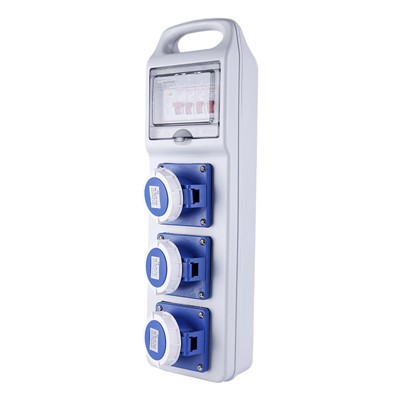
Combined Socket Box In conclusion, industrial connectors are essential components in modern manufacturing, enabling the efficient and reliable operation of a wide range of industrial equipment and systems. By providing a secure and reliable connection between components, industrial connectors help to improve the reliability, safety, flexibility, and ease of installation and maintenance of industrial equipment. As a supplier of industrial connectors, I am committed to providing high-quality products and services that meet the needs of my customers. If you are in the market for industrial connectors, I encourage you to contact me to discuss your specific requirements and to learn more about how I can help you.
References
- "Industrial Connectors: A Comprehensive Guide." Electronics Notes.
- "The Basics of Industrial Connectors." Automation.com.
- "Types of Industrial Connectors and Their Applications." Electrical Engineering Portal.
Zhejiang Hefeng Electric Co., Ltd.
Zhejiang Hefeng Electric Co., Ltd. is one of the most professional industrial connector manufacturers and suppliers in China, featured by quality products and low price. Please rest assured to buy durable industrial connector made in China here from our factory. Also, OEM service is available.
Address: Wenzhou Daqiao Industrail Park, Beibaixiang Town, Yueqing City, Zhejiang Province, China
E-mail: hefengplug@chinahfe.com
WebSite: https://www.hfcee.com/
