Flexible plastic pipes have become a staple in various industries, from water supply and drainage systems to agricultural irrigation and telecommunications cabling. Their flexibility, durability, and cost – effectiveness make them a popular choice for many applications. However, one question that often arises is whether these pipes are affected by soil conditions. As a supplier of flexible plastic pipes, I’ve encountered numerous inquiries from customers regarding this matter, and I believe it’s crucial to offer a comprehensive answer. Flexible Plastic Pipe

Types of Soil and Their Characteristics
Soil can be classified into different types, each with its own unique properties that can potentially impact flexible plastic pipes. The main soil types include sandy soil, clay soil, and loamy soil.
Sandy soil is granular and has large particles. It drains water well because of the large pore spaces between the particles. This type of soil is relatively loose and doesn’t exert much lateral pressure on the pipes. However, the lack of cohesion means that it can shift easily, especially in areas with high water flow or seismic activity. If a flexible plastic pipe is installed in sandy soil, there is a risk of the pipe settling unevenly or being exposed due to soil erosion.
Clay soil, on the other hand, is composed of very fine particles. It has a high water – holding capacity because the small pores trap water. When clay soil is wet, it becomes soft and can expand significantly. This expansion can exert a large amount of pressure on the buried pipes, which may cause the pipes to deform or even crack. Conversely, when clay soil dries out, it shrinks, leaving gaps around the pipes. These gaps can allow water and other contaminants to seep in, potentially leading to pipe corrosion or damage over time.
Loamy soil is a mixture of sand, silt, and clay. It is considered the ideal soil type for many applications because it has good drainage, water – holding capacity, and cohesion. Flexible plastic pipes installed in loamy soil are less likely to experience extreme pressure changes or soil movement compared to those in sandy or clayey soils.
Chemical Composition of Soil
The chemical composition of soil can also have a profound impact on flexible plastic pipes. Some soils may contain high levels of acids or alkalis. Acidic soils, which are often found in areas with high rainfall or near industrial sites, can corrode the outer layer of the plastic pipes. Over time, this corrosion can weaken the pipe structure, making it more susceptible to leaks and breaks.
Alkaline soils, on the other hand, may contain substances such as calcium carbonate or sodium hydroxide. These substances can react with the plastic material, causing it to become brittle and lose its flexibility. In addition, some soils may have a high concentration of salts. Saltwater intrusion in coastal areas or the use of de – icing salts on roads can lead to salt – rich soils. These salts can penetrate the plastic material and cause internal damage, further reducing the pipe’s lifespan.
Microbial Activity in Soil
Microorganisms in the soil can also affect flexible plastic pipes. Some bacteria and fungi are capable of breaking down organic matter in the soil, and in some cases, they may also attack the plastic material. For example, certain types of bacteria can produce enzymes that degrade the polymers in the plastic. This degradation process can lead to the formation of cracks and holes in the pipes, compromising their integrity.
Moreover, microbial activity can create an environment that promotes corrosion. Some bacteria can produce sulfuric acid as a by – product of their metabolic processes. This acid can react with the metal components in the pipe joints or any metal reinforcements, leading to corrosion and eventual failure of the pipe system.
Installation Considerations
Proper installation is key to minimizing the impact of soil conditions on flexible plastic pipes. In areas with sandy soil, it is important to provide adequate bedding and support for the pipes to prevent settling. This can be achieved by using a layer of gravel or sand bedding around the pipes. The bedding material helps distribute the load evenly and reduces the risk of pipe deformation.
In clay soil, it is advisable to use a geotextile fabric around the pipes. The geotextile acts as a barrier, preventing the clay soil from directly contacting the pipes and reducing the impact of soil expansion and shrinkage. Additionally, proper backfilling techniques should be employed to ensure that the soil around the pipes is compacted uniformly.
When installing pipes in areas with high microbial activity or chemically aggressive soils, it may be necessary to choose pipes with enhanced chemical resistance. Some flexible plastic pipes are designed with special additives or coatings that provide protection against chemical attack and microbial degradation.
Long – Term Performance Monitoring
Even with proper installation, it is essential to monitor the long – term performance of flexible plastic pipes in different soil conditions. Regular inspections can help detect early signs of damage, such as cracks, leaks, or deformation. Non – destructive testing methods, such as ultrasonic testing or ground – penetrating radar, can be used to assess the internal condition of the pipes without causing damage.
By continuously monitoring the pipes, any potential problems can be identified and addressed promptly, reducing the risk of costly repairs or system failures in the future. It is also important to keep records of the soil conditions at the installation site and any maintenance activities performed on the pipes. This information can be valuable for future projects and for understanding the long – term behavior of the pipes in different soil environments.
Conclusion
In conclusion, flexible plastic pipes can indeed be affected by soil conditions. The type of soil, its chemical composition, and microbial activity all play a role in determining the performance and lifespan of the pipes. However, by understanding these factors and taking appropriate measures during installation and maintenance, the negative impact of soil conditions can be minimized.
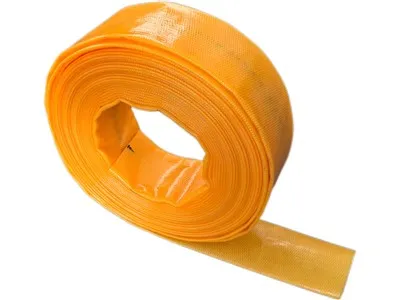
As a supplier of flexible plastic pipes, I am committed to providing high – quality products that are designed to withstand a variety of soil conditions. Our pipes are manufactured using advanced technologies and materials to ensure durability and reliability. We also offer expert advice on installation and maintenance to help our customers get the most out of our products.
Flexible PVC Hose If you are in need of flexible plastic pipes for your project, whether it’s a small – scale residential application or a large – scale industrial project, I encourage you to contact us. Our team of experienced professionals is ready to assist you in choosing the right pipes for your specific soil conditions and requirements. We can provide you with detailed product information, technical specifications, and cost estimates. Don’t hesitate to reach out and start a discussion about how our flexible plastic pipes can meet your needs.
References
- ASTM International. “Standard Test Methods for Evaluating the Environmental Stress – Crack Resistance of Polyethylene Plastics.” ASTM D1693.
- American Water Works Association. “AWWA Manual M23: Fiberglass Pipe.”
- Soil Science Society of America. “Soil Taxonomy: A Basic System of Soil Classification for Making and Interpreting Soil Surveys.”
Weifang Xinzhiyuan Plastic Co., Ltd.
As one of the most experienced flexible plastic pipe manufacturers and suppliers in China, we offer a wide range of products with superior quality. Please feel free to wholesale premium flexible plastic pipe made in China here from our factory. We also accept customized orders.
Address: No. 700, Tongle Street, Economic Development Zone, Changle County, Weifang City, Shandong Province
E-mail: hua@xzypvchose.com
WebSite: https://www.pvchose-xzy.com/
