As a supplier of STEP Elevator PCBs, I’ve witnessed firsthand the pivotal role these circuit boards play in the smooth and safe operation of elevators. Over the years, through interactions with customers and in – depth research on product performance, I’ve identified several common problems associated with STEP Elevator PCBs. In this blog, I’ll delve into these issues to provide valuable insights for customers and industry peers. STEP Elevator Pcb

1. Electrical Component Failures
One of the most prevalent problems with STEP Elevator PCBs is electrical component failures. These PCBs are equipped with a wide range of components, such as capacitors, resistors, and integrated circuits. Capacitors, for instance, are prone to drying out over time, especially when exposed to high temperatures. This can lead to a decrease in their capacitance value, which in turn affects the overall electrical performance of the circuit board.
Resistors may also fail due to overheating or excessive current flow. When a resistor fails, it can disrupt the normal flow of electricity in the circuit, causing malfunctions in the elevator’s control system. Integrated circuits, being the most complex components on the PCB, are vulnerable to electrostatic discharge (ESD) and voltage spikes. A single ESD event can damage the delicate internal structure of an IC, rendering it useless.
To mitigate these risks, we at our company take several precautions. We source high – quality components from reliable suppliers who adhere to strict quality control standards. Additionally, our PCBs are designed with proper heat dissipation mechanisms to prevent overheating of components. We also implement ESD protection measures during the manufacturing process to safeguard the sensitive integrated circuits.
2. Solder Joint Issues
Solder joints are crucial for connecting various components on the STEP Elevator PCB. However, they are also a common source of problems. Poor solder joints can occur due to several factors, including improper soldering techniques, contamination of the PCB surface, or the use of low – quality solder.
A cold solder joint, for example, is a joint that has not been heated sufficiently during the soldering process. This results in a weak connection between the component and the PCB, which can lead to intermittent electrical connections. Over time, vibrations from the elevator’s operation can cause these weak joints to break completely, leading to a malfunction.
Contamination on the PCB surface, such as dust or flux residues, can also interfere with the solderability of the components. When there is contamination, the solder may not flow properly, resulting in uneven or incomplete solder joints. To address these issues, we have a stringent quality control process in place. Our soldering technicians are highly trained and follow precise soldering procedures. We also use high – quality solder and cleaning agents to ensure the cleanliness of the PCB surface before and after soldering.
3. Environmental Factors
The environment in which the elevator operates can have a significant impact on the performance of the STEP Elevator PCB. Elevators are often installed in harsh environments, such as basements, industrial areas, or high – humidity locations.
In high – humidity environments, moisture can penetrate the PCB, causing corrosion of the copper traces and components. Corrosion can increase the resistance of the electrical paths, leading to signal degradation and potential component failures. In industrial areas, the PCB may be exposed to dust, dirt, and chemicals, which can also contaminate the board and cause malfunctions.
To combat the effects of the environment, we design our PCBs with protective coatings. These coatings act as a barrier against moisture, dust, and chemicals, preventing them from reaching the sensitive components on the board. We also offer PCBs with sealed enclosures for elevators installed in particularly harsh environments.
4. Software and Firmware Glitches
Modern STEP Elevator PCBs rely heavily on software and firmware to control the elevator’s functions. Software glitches are a common problem that can cause the elevator to malfunction. These glitches can occur due to bugs in the code, compatibility issues with other systems, or problems during the software update process.
A software bug may cause the elevator to misinterpret sensor data, resulting in incorrect floor leveling or erratic movement. Compatibility issues can arise when the elevator’s control system is integrated with other building systems, such as the fire alarm or security system. During a software update, if the process is not carried out correctly, it can lead to a corrupted firmware, rendering the elevator inoperable.
To deal with software and firmware related problems, we have a dedicated team of software engineers who continuously monitor and update our products. We conduct rigorous testing of new software versions to ensure compatibility and reliability. We also provide detailed instructions and support to our customers during the software update process.
5. Power Supply Problems
A stable power supply is essential for the proper operation of STEP Elevator PCBs. Power supply problems can range from voltage fluctuations to power outages. Voltage fluctuations can occur due to issues in the building’s electrical grid or problems with the elevator’s power distribution system.
When the voltage supplied to the PCB is too high or too low, it can damage the components. High voltage can cause components to overheat and fail, while low voltage may result in the PCB not functioning properly. Power outages, on the other hand, can cause sudden system shutdowns, which may lead to data loss or damage to the elevator’s control system.
To address power supply problems, our PCBs are designed with voltage regulation circuits to ensure a stable power supply. We also recommend the use of uninterruptible power supplies (UPS) for elevators to provide backup power in case of a power outage. This helps to prevent sudden shutdowns and protect the PCB from damage.
Conclusion
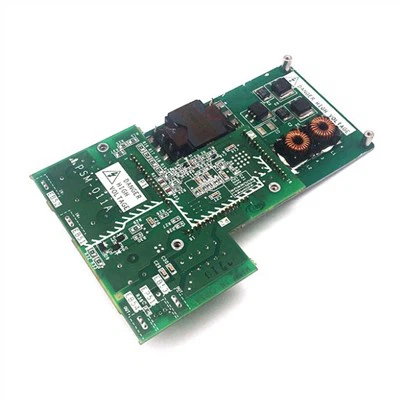
In conclusion, the STEP Elevator PCBs face several common problems, including electrical component failures, solder joint issues, environmental factors, software and firmware glitches, and power supply problems. As a supplier, we are committed to providing high – quality PCBs that are designed to withstand these challenges. We invest in research and development to improve the reliability and performance of our products.
Elevator Key If you are in the market for STEP Elevator PCBs, we invite you to contact us for further discussion. Our team of experts is ready to assist you in finding the best solutions for your elevator needs. Whether you have questions about our products, need technical support, or are interested in a purchase, we are here to help. Let’s work together to ensure the safe and efficient operation of your elevators.
References
- "Elevator Technology Handbook", John Wiley & Sons
- "Circuit Board Design and Manufacturing", McGraw – Hill Education
- Industry whitepapers on elevator control systems and PCB reliability
Sanjin Elevator Parts Co., Ltd.
Sanjin Elevator Parts Co., Ltd. is one of the most professional step elevator pcb manufacturers and suppliers in China, featured by quality products and good service. Please rest assured to buy or wholesale high-grade step elevator pcb at competitive price from our factory.
Address: 18th Floor, Xinyuan Center, Fenghe Road, Xi’an, Shaanxi, China
E-mail: elevatorparts@westdt.com
WebSite: https://www.sanjinelevator.com/
