In the dynamic world of lighting design, the quest for innovation and functionality is unending. One material that has emerged as a game – changer in this arena is perforated metal. As a seasoned perforated metal supplier, I’ve witnessed firsthand the transformative impact this material has on lighting fixtures. In this blog, I’ll delve into the various applications of perforated metal in lighting, exploring how it enhances aesthetics, functionality, and energy efficiency. Perforated Metal
Aesthetic Enhancement
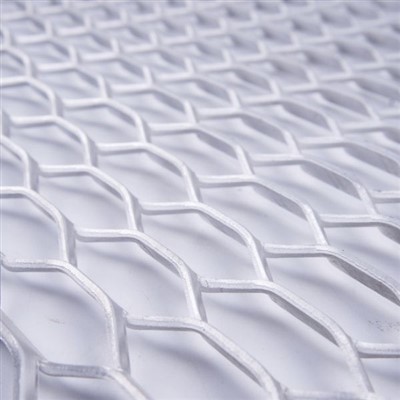
Perforated metal offers a unique visual appeal that can elevate the look of any lighting fixture. The patterns created by the perforations can range from simple geometric shapes like squares, circles, and triangles to more intricate and custom – designed motifs. These patterns can be used to add a touch of elegance, modernity, or even a rustic charm to the lighting.
For pendant lights, perforated metal can create a stunning play of light and shadow. When the light shines through the perforations, it projects a beautiful pattern on the surrounding walls and ceiling. This not only adds a decorative element but also creates a warm and inviting atmosphere in the space. For example, a pendant light with a perforated metal shade featuring a floral pattern can bring a sense of nature and tranquility to a living room or a dining area.
In recessed lighting, perforated metal grilles can be used to add a layer of sophistication. The grilles can be installed over the light source, diffusing the light and creating a soft, ambient glow. The different perforation sizes and patterns can be chosen to match the overall design theme of the room. A minimalist space might benefit from a grille with small, evenly – spaced holes, while a more eclectic room could feature a grille with a larger, irregular pattern.
Functionality and Safety
Beyond aesthetics, perforated metal plays a crucial role in enhancing the functionality and safety of lighting fixtures. One of the primary functions is heat dissipation. Lighting fixtures generate heat during operation, and if not properly managed, this heat can cause damage to the components and reduce the lifespan of the light. Perforated metal allows air to circulate freely around the light source, carrying away the heat and keeping the fixture cool.
For high – intensity discharge (HID) lights or LED fixtures that produce a significant amount of heat, perforated metal housings are essential. The perforations act as ventilation holes, ensuring that the internal temperature of the fixture remains within a safe range. This not only extends the life of the light source but also reduces the risk of malfunction or fire.
Another important safety feature is glare reduction. The perforated metal acts as a diffuser, breaking up the direct light rays and scattering them in different directions. This helps to reduce the intensity of the light and minimize glare, making the lighting more comfortable for the eyes. In office spaces, for example, where employees need to work for long hours, lighting fixtures with perforated metal diffusers can improve visual comfort and productivity.
Lighting Distribution and Control
Perforated metal can be used to precisely control the distribution of light. By adjusting the size, shape, and density of the perforations, manufacturers can direct the light in specific directions and create different lighting effects.
In track lighting systems, perforated metal reflectors can be used to focus the light on a particular area. The perforations can be designed in such a way that they reflect the light downwards, minimizing light spillage to the sides. This is particularly useful in retail spaces, where highlighting specific products is crucial. A clothing store, for instance, might use track lights with perforated metal reflectors to draw attention to the latest fashion items.
In architectural lighting, perforated metal panels can be used to create a uniform lighting distribution across a large area. The panels can be installed on the ceiling or walls, and the light can pass through the perforations to illuminate the space evenly. This is ideal for public buildings such as museums and galleries, where a consistent and well – lit environment is required to showcase art and exhibits.
Energy Efficiency
In today’s energy – conscious world, energy efficiency is a top priority for lighting designers and consumers alike. Perforated metal can contribute to energy savings in several ways.
As mentioned earlier, by improving heat dissipation, perforated metal helps to keep the lighting fixtures operating at optimal efficiency. When the temperature is controlled, the light source consumes less energy to produce the same amount of light. Additionally, the glare – reducing properties of perforated metal mean that lower – intensity light sources can be used without sacrificing visual comfort. This results in energy savings over the long term.
Moreover, the ability to control the lighting distribution with perforated metal means that light can be directed only where it is needed. This reduces wasted light and ensures that energy is used more efficiently. For example, in an industrial warehouse, perforated metal reflectors can be used to focus the light on the work areas, rather than illuminating the entire space.
Customization and Versatility
One of the greatest advantages of using perforated metal in lighting fixtures is the high level of customization it offers. As a perforated metal supplier, I understand that every lighting project has unique requirements, and we can provide perforated metal products in a wide range of materials, thicknesses, perforation patterns, and finishes.
The choice of material depends on the specific application and the desired aesthetic. Stainless steel is a popular choice for its durability, corrosion resistance, and modern look. Aluminum is lightweight and easy to work with, making it suitable for large – scale lighting installations. Copper, on the other hand, offers a warm, rustic appearance and can be used to create a unique lighting design.
The perforation patterns can be customized to match the client’s design concept. Whether it’s a simple grid pattern or a complex, one – of – a – kind design, we can use advanced manufacturing techniques to create the desired perforations. The finish of the perforated metal can also be customized, from a smooth, polished finish to a textured or brushed finish, adding another layer of visual interest to the lighting fixture.
Conclusion
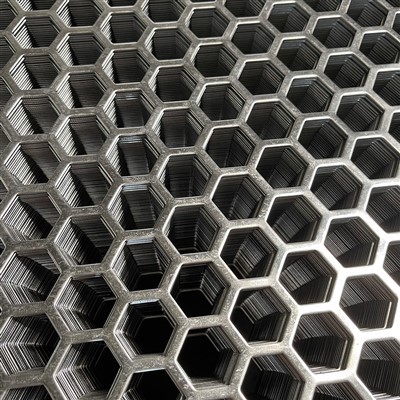
In conclusion, perforated metal has a wide range of applications in lighting fixtures, from enhancing aesthetics to improving functionality, safety, energy efficiency, and customization. As a perforated metal supplier, I am excited to be part of the lighting industry’s evolution and to provide high – quality perforated metal products that meet the diverse needs of our clients.
Slotted Perforated Metal If you are a lighting designer, manufacturer, or someone interested in incorporating perforated metal into your lighting projects, I encourage you to reach out to us. We can work with you to understand your specific requirements, provide samples, and offer expert advice on the best perforated metal solutions for your lighting fixtures. Let’s collaborate to create innovative and sustainable lighting designs that will illuminate the future.
References
- "Lighting Handbook: Reference and Application", Illuminating Engineering Society of North America
- "Perforated Metals: Theory, Design, and Applications", ASM International
- "Architectural Lighting Design", John Wiley & Sons
Anping Yilida Metal Wire Mesh Co., Ltd.
Anping Yilida Metal Wire Mesh Co., Ltd. is one of the most reliable perforated metal manufacturers and suppliers in China, also supports customized service. Please feel free to buy bulk high quality perforated metal made in China here from our factory.
Address: Wire Mesh Development Zone, Anping, Hebei Province, China
E-mail: sales@wiremesh-yg.cn
WebSite: https://www.yilidametal.com/
