As a supplier of PET acoustic panels, I often get asked about the maximum temperature these panels can withstand. This is a crucial question, especially for clients who plan to use our products in environments where temperature fluctuations are significant, such as industrial settings, near heating systems, or in outdoor applications with intense sunlight exposure. In this blog, I’ll delve into the science behind PET acoustic panels, discuss the factors that affect their maximum temperature tolerance, and provide some practical guidelines for the best use of our products. PET Acoustic Panels
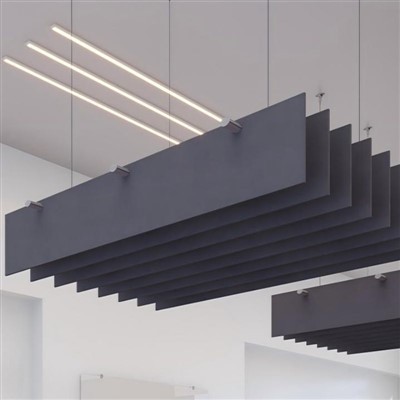
Understanding PET Acoustic Panels
First, let’s briefly understand what PET acoustic panels are. PET, or polyethylene terephthalate, is a thermoplastic polymer resin of the polyester family. It is one of the most widely used plastics globally, known for its clarity, strength, toughness, and chemical resistance. Our PET acoustic panels are made from recycled PET bottles, which are shredded, melted, and then formed into a three – dimensional structure. This structure is designed to absorb sound waves, reducing noise levels and improving acoustic quality in various spaces.
The unique structure of PET acoustic panels gives them excellent sound – absorbing properties. The open – cell structure of the panels allows sound waves to enter and be dissipated as heat energy through friction within the material. This makes them ideal for use in auditoriums, recording studios, offices, and other places where noise control is essential.
Factors Affecting the Maximum Temperature Tolerance
The maximum temperature that PET acoustic panels can withstand is influenced by several factors.
Chemical Composition of PET
The basic chemical structure of PET determines its inherent thermal properties. PET has a glass – transition temperature (Tg) typically around 70 – 80°C. The glass – transition temperature is the temperature at which a polymer changes from a hard, glassy state to a more flexible, rubbery state. When the temperature approaches the Tg, the mechanical properties of the PET acoustic panels start to change. For example, the panels may become softer, lose some of their shape stability, and their sound – absorbing performance may also be affected.
Manufacturing Process
The way our PET acoustic panels are manufactured can also impact their temperature tolerance. During the manufacturing process, additives and modifiers may be used to enhance the panels’ properties, including their thermal resistance. For instance, we carefully select additives that can increase the panels’ heat deflection temperature. Additionally, the density of the panels, which is controlled during manufacturing, can also play a role. Higher – density panels may have slightly better thermal stability compared to lower – density ones because the compact structure can resist deformation better under heat.
Environmental Factors
The surrounding environment can have a significant influence on the temperature that the panels actually experience. In addition to the ambient temperature, factors such as humidity, air circulation, and exposure to direct sunlight can all affect the panel’s temperature. For example, high humidity can potentially lower the effective temperature tolerance of the panels because the presence of moisture can act as a plasticizer, softening the material at lower temperatures. Poor air circulation can cause heat to accumulate around the panels, increasing their temperature beyond the ambient level. And direct sunlight can significantly raise the panel’s surface temperature, especially if the panels are not properly shaded.
Determining the Maximum Temperature Tolerance
Based on extensive testing and our experience in the industry, our PET acoustic panels can generally withstand temperatures up to around 100 – 120°C for short periods. This short – term exposure is defined as a few hours or less. For continuous long – term use, we recommend keeping the operating temperature below 70 – 80°C to ensure the panels maintain their structural integrity and acoustic performance.
When exposed to temperatures above the recommended range, several things can happen to the PET acoustic panels. The panels may start to deform, losing their original shape. This deformation can lead to gaps between the panels, which can reduce their overall sound – absorbing effectiveness. In extreme cases, the panels may even start to melt or release harmful fumes, which is a significant safety concern.
Practical Applications and Temperature Considerations
Let’s look at some common applications of our PET acoustic panels and the temperature considerations for each.
Indoor Offices and Commercial Spaces
In standard indoor office and commercial settings, the temperature is usually well – controlled within a comfortable range, typically between 20 – 25°C. In these environments, our PET acoustic panels work perfectly, providing excellent sound – absorbing properties without any temperature – related issues. However, if there are areas near heating vents or radiators, extra care should be taken to ensure the panels are not exposed to excessive heat. We recommend installing a heat shield or maintaining a sufficient distance between the panels and the heat source.
Industrial Facilities
Industrial facilities often have higher temperature variations. In some manufacturing plants, the temperature near equipment or in certain production areas can be quite high. When using our PET acoustic panels in these environments, it is crucial to conduct a detailed temperature assessment. If the temperature exceeds our recommended range, alternative acoustic solutions may need to be considered. However, in areas where the temperature is within the tolerable range, our panels can still be a cost – effective and eco – friendly option for noise reduction.
Outdoor Applications
When using PET acoustic panels outdoors, the panels are exposed to the elements, including sunlight and fluctuating temperatures. Sunlight can significantly heat up the panels, especially during hot summer days. To mitigate this, we recommend using panels with a UV – resistant coating. This coating can help reduce the absorption of solar radiation and keep the panel’s temperature within a reasonable range. Additionally, proper installation, such as using a ventilated mounting system, can also improve air circulation around the panels, preventing heat buildup.
Best Practices for Maximizing Temperature Resistance
To ensure the best performance and longevity of our PET acoustic panels in high – temperature environments, here are some best practices:
- Proper Installation: Make sure the panels are installed correctly, with adequate spacing for air circulation. This helps prevent heat from getting trapped around the panels.
- Regular Inspections: Periodically inspect the panels for any signs of heat damage, such as deformation or discoloration. If any issues are detected, take appropriate measures immediately.
- Heat Management: If necessary, implement heat management strategies, such as installing insulation or reflective barriers near the panels to reduce the amount of heat they are exposed to.
Conclusion
In conclusion, as a supplier of PET acoustic panels, I understand the importance of knowing the maximum temperature these panels can withstand. Our PET acoustic panels are designed to offer excellent sound – absorbing properties while being environmentally friendly. However, their temperature tolerance is a critical factor that needs to be considered in different applications. By understanding the factors that affect the temperature tolerance, following the recommended temperature limits, and implementing best practices, you can ensure the optimal performance and longevity of our PET acoustic panels.
Mass Loaded Vinyl If you are interested in learning more about our PET acoustic panels or have any questions regarding their use in specific temperature conditions, I encourage you to get in touch with us for more information and a detailed discussion on your project requirements. We are here to help you find the best acoustic solutions for your needs.
References
- Troitzsch, J. M. (2005). International Plastics Flammability Handbook: Principles, Regulations, Testing and Approval. Hanser Publishers.
- ASTM International. (Various standards). Standards related to plastics testing, including thermal properties testing.
- Rosen, S. L., & Peyser, M. (2012). The Science of Polymer Molecules. Wiley.
Guangzhou MQ Acoustic Materials Co., Ltd.
Guangzhou MQ Acoustic Materials Co., Ltd. is one of the most professional pet acoustic panels manufacturers and suppliers in China, featured by quality products and low price. Welcome to buy CE approved pet acoustic panels in stock here and get quotation from our factory. We also accept customized orders.
Address: Room D403, KeZhu Business Building, ZhuJi Road, TianHe District, GuangZhou, China
E-mail: Lizzy@mq-acoustics.com
WebSite: https://www.acoustic-projects.com/
