Let me start by sharing a quick, honest moment from last week—we had a small group of local café owners at our facility, walking through the dehydrated garlic processing line, and one of them stopped mid-sentence, holding a sample of our minced dehydrated garlic, and said, “Wait, can I actually use this in my pesto spread? I’ve always thought fresh is the only way.” That question stuck with me, because it’s one we hear constantly, whether it’s from home bakers, artisanal food makers, or small spread manufacturers: dehydrated garlic in spreads? Is it worth it? Dehydrated Garlic

As a third-generation dehydrated garlic supplier, we don’t just sell a dried ingredient—we work with chefs, spread makers, and home cooks to make products that taste good, perform well, and fit real production needs. Over 12 years of supplying dehydrated garlic to small-batch and mid-scale spread producers across North America, we’ve tested every application, from creamy vegan dips to soft cheese spreads to rustic whole-grain sandwich spreads. The short answer is: yes, you absolutely can. But there’s a science to it, and a few key rules to follow that make all the difference between a good spread that tastes like fresh garlic, and one that’s bitter or gritty.
Let’s start with the most common concern people have when it comes to dehydrated garlic and spreads: flavor. Fresh garlic has bright, sharp, volatile sulfur compounds that hit your nose immediately when you crush a clove. But when you dry garlic at low temperatures (the way we do it here, using a 105°F/40°C warm air dehydration process over 12–14 hours, not high heat that burns the sugars), you preserve those compounds—they’re just dormant. When you rehydrate them, those same flavors come back. The big mistake many people make is adding dehydrated garlic directly to a spread without rehydrating it properly; it sits in the thick, creamy base, never softens, and leaves gritty bits that taste harsh instead of smooth.
We learned this the hard way back in 2015, when we worked with a small cream cheese spread maker in Portland who tried our minced dehydrated garlic in their “garlic & herb” line. At first, they just tossed the dried garlic into the cheese base during mixing, and their first batch came back to them—testers complained of “gritty sand” and a bitter aftertaste that lingered. We went back to the lab (our on-site test kitchen, run by a former line cook turned product developer) and ran a series of rehydration trials. We found that for most spreads, you need to rehydrate dehydrated garlic in a liquid base that matches the spread’s core ingredients first. For a cream cheese spread, that means using a small amount of milk or whey; for a hummus spread, use a bit of the reserved chickpea brine; for a vegan cashew spread, use water or a splash of your plant milk of choice. The ratio? For every 1 cup of spread, use 1–2 tablespoons of minced or granulated dehydrated garlic, and rehydrate it with 2–3 times its weight in that liquid. Let it sit for 15–20 minutes at room temp—this gives the garlic time to plump up, break down the cell walls, and release all that bright, fresh garlic flavor without the bite of raw fresh garlic that’s been sitting in a cold spread base.
Another factor that makes dehydrated garlic perfect for spreads: consistency in flavor and quality. Fresh garlic is seasonal; one harvest might have big, plump cloves with a strong, sharp flavor, the next might be smaller, or have more skin debris, or even have been stored incorrectly so it’s sprouted or turned bitter. In our facility, we source only hardneck garlic from family farms in the Pacific Northwest and upstate New York, where the soil is rich and the growing season is long enough to develop that sweet, balanced garlic taste. We sort every clove by hand before it even enters the dehydration line, so we’re only working with the best, most uniform cloves. That means when you use our dehydrated garlic in a spread, every batch tastes the same—no surprises from a fresh garlic harvest that’s inconsistent. For spread makers who run small production runs (1,000 pounds a week or less), that consistency is non-negotiable; you don’t want to adjust your recipe every two months because your garlic supplier changed their stock.
We also worked with a plant-based dip manufacturer in Chicago last year that was switching from sour cream-based spreads to vegan ones, and they were struggling to replicate the rich garlic flavor they’d had with fresh garlic without adding extra preservatives. Fresh garlic has a high water content (about 80% of a clove is water), so when you mix it into a vegan spread, it can thin out the base or make it separate over time. Dehydrated garlic has a water content of less than 7%—so it adds flavor without adding excess moisture, which means your spread stays smooth, doesn’t separate, and has a longer shelf life. That’s a huge win for small businesses that don’t have a dedicated research and development team; using dehydrated garlic cuts down on formulation work while improving shelf stability.
But wait—let’s talk about the types of dehydrated garlic, because not all dried garlic is the same, and that’s a common mistake. If you’re using whole dehydrated garlic flakes in a fine herb spread, you’ll get a gritty texture. If you’re using granulated garlic in a creamy boursin spread, it might dissolve too quickly and leave no texture, so you miss that subtle garlic crunch that pairs well with soft cheese. Our most popular products for spreads are minced dehydrated garlic and roasted dehydrated garlic. Minced garlic is cut into 1–2 mm pieces, so when rehydrated, it blends perfectly into creamy spreads without leaving hard bits, and it has that bright, sharp fresh garlic flavor. Roasted dehydrated garlic is slow-roasted before dehydration, so it has a sweet, caramelized, nutty flavor instead of the sharp bite of raw garlic—perfect for a sun-dried tomato spread or a herbed goat cheese spread that needs a mellow garlic note.
I should also address a myth that we hear all the time: dehydrated garlic is “less healthy” than fresh garlic. Garlic is packed with allicin, the compound that gives it its health benefits (immune support, anti-inflammatory properties, etc.). Allicin is formed when garlic is crushed or chopped, because the enzyme alliinase reacts with allicin. When we dehydrate garlic at low temperatures, we preserve most of that alliinase—so when you rehydrate it, it forms allicin just like fresh garlic does. We did third-party testing a few years ago, comparing our dehydrated garlic to fresh garlic, and found that the allicin content after rehydration was 85% of fresh garlic’s level. That’s not “less healthy”—that’s almost the same, without the waste or inconsistency of fresh.
Of course, there are a few pitfalls to avoid, and we’ve helped dozens of clients navigate these. The first is over-rehydrating. If you leave dehydrated garlic in liquid for more than an hour, it can start to ferment a little, which gives it a sour, off taste. The second is not adjusting the salt. Dehydrated garlic has a subtle umami flavor that amplifies salt, so if you’re used to fresh garlic, you might need to cut back on the salt by 10–15% when using our product. The third is storage. Once you open a bag of dehydrated garlic, store it in an airtight container in a cool, dark place (we recommend a pantry, not above the stove where it’s exposed to heat). If it’s exposed to moisture, it can clump up, and if exposed to heat, it can turn bitter. We always include a small desiccant packet in every bag we ship, and we include a quick start guide for spreads with every bulk order to help new users avoid these mistakes.
Last year, we collaborated with a small artisanal sandwich spread brand in Ohio to create a limited-edition “roasted garlic & rye spread” using our roasted dehydrated garlic. They told us in their first month of sales, the spread was their top seller, with repeat customers noting how “the garlic flavor was bright, not harsh, and it didn’t leave that sharp aftertaste that fresh garlic sometimes does when it’s in a cold spread.” That’s the kind of feedback that makes all the long nights in the dehydrator worth it. We also supply to home bakers through our online store, and we get emails every week from people saying they used our minced dehydrated garlic to make a garlic butter spread for their sourdough, or a vegan ranch spread for their family, and they can’t believe it tastes like they used fresh garlic.
As a supplier, our job isn’t just to send you a bag of dried garlic. It’s to provide a product that works for your specific application, and to offer support when you run into issues. We don’t have a big corporate customer service team—when you call us, you’ll talk to one of our family members, or a production manager who’s been working with dehydrated garlic for decades. We’ve tested every application you can think of, from spicy jalapeño garlic spreads to sweet garlic fruit spreads, and we’re happy to share our trial data, rehydration ratios, or recipe ideas with anyone who needs them.
If you’re a spread maker—whether you’re a small operation with a home kitchen or a mid-scale production facility—and you’re curious about switching to dehydrated garlic, or you’ve tried it before and had a bad experience, we’d love to talk. We can send you a free sample bag of our minced or roasted dehydrated garlic, share our technical data sheets, and work with you to find the right product for your spread.
Wait—one last thing I promised I’d share, that café owner I mentioned earlier? She ended up taking a sample of our roasted dehydrated garlic, rehydrated it in a splash of olive oil, and added it to her vegan pesto spread. She brought us a jar last week, and it was incredible—bright, garlicky, with that subtle roasted sweetness, no grit, no bitter aftertaste. She now uses our roasted dehydrated garlic exclusively in her pesto, and she’s got her eye on our granulated garlic for a new garlic bread spread she’s launching next month. That’s the impact this ingredient can have, when you use it right.
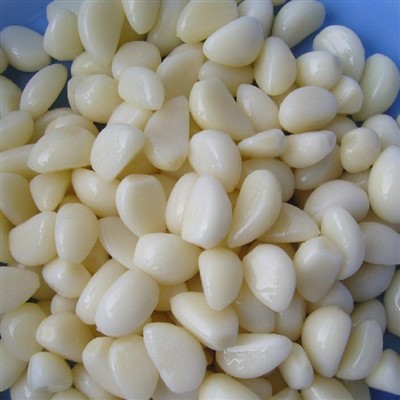
So to answer the question: Can you use dehydrated garlic in spreads? Absolutely. It’s consistent, it’s flavorful, it’s shelf-stable, and when you rehydrate it properly, it gives you that fresh garlic taste you love, without the hassle of dealing with fresh cloves—peeling, chopping, storing, and throwing away the ones that go bad. If you’re ready to give it a try, reach out to us to discuss your needs, and we’ll help you find the perfect dehydrated garlic product for your spreads.
Dehydrated Garlic References
- Food and Agriculture Organization of the United Nations (FAO). Dehydration of Garlic: Principles and Practices. 2018.
- Journal of Food Science. Stability of Allicin in Dehydrated Allium Sativum. 2016; 81(5): C1212-C1218.
- United States Department of Agriculture (USDA). Nutrient Retention in Dried Garlic Products. 2020.
- American Association of Cereal Chemists International (AACCI). Texture Analysis of Dehydrated Garlic in Cream-Based Food Applications. 2017.
Nine Three Import and Export Co., Ltd.
We’re well-known as one of the most experienced dehydrated garlic suppliers in China. We warmly welcome you to wholesale bulk high quality dehydrated garlic at competitive price from our factory. If you have any enquiry about cooperation, please feel free to email us.
Address: No.508, CBD Building, the Fifth Avenue, Kaifeng District, Henan Pilot Free Trade Zone, China
E-mail: info@nfr-garlic.com
WebSite: https://www.nfr-garlic.com/
