Hey there! I’m working for an elevator door controller supplier, and today I want to chat with you about whether an elevator door controller can be integrated with other systems. It’s a hot topic in the elevator industry, and I’ve got some insights to share based on our experiences. Elevator Door Controller
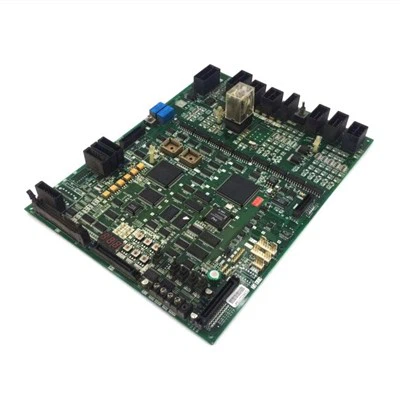
Okay, first things first, what exactly is an elevator door controller? Well, it’s the brains behind the elevator door operation. It controls when the doors open and close, makes sure they do it smoothly, and takes care of safety features like preventing the doors from closing on someone. But the question is, can this little piece of tech play nice with other systems in a building? And the answer is a big yes!
Let’s talk about building management systems (BMS) first. These systems are like the control center of a building, managing things like heating, ventilation, lighting, and security. Integrating an elevator door controller with a BMS can bring a whole bunch of benefits. For example, in case of a fire or other emergency, the BMS can send a signal to the elevator door controller to hold the doors open. This allows people to evacuate the elevator safely and quickly. It can also help in monitoring the elevator system. The BMS can collect data from the door controller, like how often the doors open and close or if there are any malfunctions. This data can be used to optimize maintenance schedules and prevent breakdowns.
Another system that can be integrated with an elevator door controller is the access control system. Access control is all about who can go where in a building. By integrating the elevator door controller with the access control system, you can restrict access to certain floors. For instance, employees with a specific access card can only go to the floors where their offices are located. This enhances security and privacy within the building. It also provides more convenience for users. You don’t have to fumble around with multiple cards or keys. Your access card can double – up as the key to the elevator.
Now, let’s move on to the fire alarm system. Safety is a top priority in any building, and the elevator is no exception. When the fire alarm goes off, the elevator needs to be disabled or operate in a special emergency mode. The elevator door controller can be integrated with the fire alarm system so that as soon as the alarm is triggered, the doors either stay open or close at a safe location. This ensures that people inside the elevator are not trapped during a fire and can evacuate safely.
Integrating with the security camera system is also a great idea. Cameras can be installed inside and outside the elevator to monitor activity. When integrated with the door controller, the camera system can start recording when the elevator doors open or close. This can be useful for security purposes, like detecting any suspicious behavior or for investigating incidents that occur in or around the elevator.
But how exactly do we make this integration happen? Well, it’s not as complicated as it might seem. Most modern elevator door controllers are designed with communication interfaces that allow them to connect with other systems. These interfaces can use protocols like Modbus, BACnet, or Ethernet. These protocols are like a common language that different systems can use to talk to each other. Our company, for example, provides elevator door controllers with flexible communication options. This makes it easy for our clients to integrate them with other building systems.
However, like any technology, there are also some challenges to integrating elevator door controllers with other systems. One of the main challenges is compatibility. Different systems may use different communication protocols or have different standards. This can make it difficult to get them to work together seamlessly. That’s why it’s important to choose a reliable supplier who can provide support and ensure that the integration is done correctly.
Another challenge is security. When you integrate multiple systems, you increase the attack surface. Hackers may try to access the elevator door controller through other connected systems. So, it’s crucial to implement proper security measures, like encryption and access controls, to protect the elevator system from cyber – threats.
Cost is also a factor. Integrating elevator door controllers with other systems may require additional hardware and software, as well as installation and setup. But when you think about the long – term benefits, like improved safety, efficiency, and convenience, the cost can be well worth it.
So, to sum it up, an elevator door controller can definitely be integrated with other systems, and there are many good reasons to do so. Whether it’s for safety, security, or convenience, integration can enhance the overall functionality of a building’s elevator system.

If you’re in the market for elevator door controllers and are interested in integrating them with other systems, we’d love to have a chat with you. Our team of experts can help you understand the benefits, address any concerns you may have, and find the best solution for your specific needs. Don’t hesitate to reach out to us for a procurement discussion. We’re here to make your elevator experience better!
Elevator Pcb References
- "Elevator Technology Handbook"
- Industry whitepapers on building system integration
- Technical documents from elevator and building system manufacturers
Sanjin Elevator Parts Co., Ltd.
Sanjin Elevator Parts Co., Ltd. is one of the most professional elevator door controller manufacturers and suppliers in China, featured by quality products and good service. Please rest assured to buy or wholesale high-grade elevator door controller at competitive price from our factory.
Address: 18th Floor, Xinyuan Center, Fenghe Road, Xi’an, Shaanxi, China
E-mail: elevatorparts@westdt.com
WebSite: https://www.sanjinelevator.com/
