If you’ve ever walked a construction site where concrete walls rise straight and sharp, or a slab that’s flat enough to run a finishing tool across without a dip, chances are steel formwork machinery did the heavy lifting behind the scenes. As someone who’s spent 12 years selling, troubleshooting, and standing side-by-side with crews operating this equipment, I’ve seen firsthand how a single misstep from an unqualified operator doesn’t just risk a bad concrete pour—it risks serious injury, expensive rework, and even shutdowns that can derail a project timeline worth millions. Most people think operating steel formwork machinery is just “turning a lever and pressing a button,” but the truth is, it’s a skilled trade that demands specific qualifications, training, and ongoing safety knowledge. Let’s break down what those requirements actually are, why they matter, and what I look for when handing off machinery to a new operator. Steel Formwork Machinery
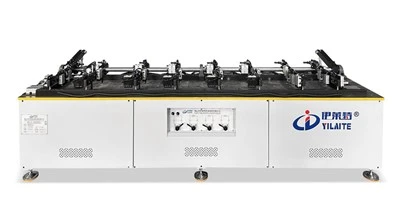
First, the foundational stuff that most new hires miss: a base level of construction experience and basic safety literacy. You can’t throw a recent high school grad into a cab of a 12,000-pound steel formwork crane (yes, that’s a thing) and expect them to spot a pin that’s about to snap or a slab that’s shifting before it’s too late. From my years on site, I’ve found that successful steel formwork operators have at least two years of hands-on construction experience, preferably working with concrete forming, rigging, or heavy equipment assistance. Why? Because they already understand the language of the job site—how to read a blueprint, identify common hazards like uneven ground or overhead power lines, and communicate clearly with ironworkers, concrete crews, and foremen. Beyond that, a core understanding of OSHA (Occupational Safety and Health Administration) standards is non-negotiable. OSHA’s 29 CFR 1926 subpart CC covers cranes and derricks in construction, and specific standards for concrete formwork under 1926 Subpart Q, so operators need to pass a basic OSHA 10-hour construction safety course before ever touching our machinery. I won’t lie—some project managers try to skip this to get someone on the site faster, but every time that happens, we end up backtracking for extra training, or worse, dealing with a near-miss that could have been avoided. Last year, a small construction firm in Ohio hired a guy with no formal construction experience to run our modular steel formwork system; he didn’t know how to properly align the formwork panels, and when the concrete poured, one panel bowed 6 inches, forcing them to chisel out 20 cubic yards of cured concrete and start over. That mistake cost them $18,000 and a three-day delay, all because they tried to skip the foundational safety and experience requirements.
Next, specialized training for steel formwork machinery specifically, not just generic heavy equipment training. A lot of people confuse operating a steel formwork crane with operating a regular truck crane, and that’s where big errors happen. Steel formwork machinery comes in a few common types—modular panel systems, crane-mounted formwork arms, tilt-up form presses, and core wall lifting systems—and each has its own set of operating rules. Our company requires that all operators complete a manufacturer-specific training course tailored to the exact machinery they’ll be working with, and pass a hands-on assessment, before they get certified to operate our equipment. This training isn’t just for show; it covers things like load capacity calculations specific to steel form (since steel is much denser than wood or aluminum), proper pinning and bracing of panels to prevent shifts during concrete placement, and emergency shutdown procedures unique to our machinery’s hydraulic and electrical systems. For example, our large core wall formwork system has a safety interlock that disables the lift if any panel isn’t securely latched, but we’ve had operators from other brands try to bypass that interlock to speed up a job—resulting in a panel dropping 10 feet onto a rebar grid, which could have killed a worker below. Our training course teaches operators why that interlock exists, not just that it’s a rule. We also require operators to demonstrate proficiency in reading formwork drawings, since a misaligned panel can throw off an entire building’s structural layout. I’ve had operators who passed generic crane certification but failed our hands-on assessment because they couldn’t tell the difference between a shear wall form and a partition wall form—two very different jobs that require completely different load handling. That’s why generic heavy equipment certifications aren’t enough: steel formwork isn’t just about lifting heavy things, it’s about lifting and aligning things with extreme precision to meet structural and architectural specs.
Then there’s the certification and legal documentation side, which is non-negotiable for both the operator and the project. In most regions, steel formwork machinery that meets the definition of a crane or derrick under OSHA requires the operator to have a valid NCCCO (National Commission for the Certification of Crane Operators) or equivalent certification. NCCCO’s Concrete Placement Crane Operator certification is specifically relevant here, since steel formwork often involves placing concrete, but it doesn’t cover all formwork-specific tasks, which is why our in-house training is a complement, not a replacement. Beyond national certifications, many states and countries have additional local requirements: for example, in California, operators working on state-funded projects need a California Construction Crane Operator License, while in Canada, they need a Red Seal endorsement for heavy equipment operation. We always ask for proof of all current certifications before we deliver any machinery to a site, and we require that operators bring a physical or digital copy of their certification card on site at all times. A few months ago, a customer in Texas tried to argue that their old certification from 2019 was still valid, but OSHA requires crane certifications to be renewed every five years, so we refused to hand over the equipment until they brought in a newly certified operator. That’s not us being difficult; that’s making sure the customer stays compliant and no one gets hurt. We also verify that operators have a clean driving record, since most steel formwork machinery is transported via flatbed truck to the site, and operators often assist with load securement during transport. Someone with multiple speeding tickets or DUI convictions is a safety risk, not just on the road, but on the site where they might be distracted or have slower reaction times.
Soft skills, the ones you don’t see listed on a certification card, might be the most important qualification of all. I’ve seen two operators with identical certifications and years of experience, and one will run our machinery flawlessly while the other causes constant delays and safety scares. The difference? Soft skills like attention to detail, communication, and the ability to stay calm under pressure. Steel formwork requires working in tight quarters—between existing structures, around concrete trucks, and with other crew members working overhead—so an operator needs to be able to listen to hand signals from a signal person (another required role per OSHA standards) and make small, precise adjustments to formwork alignment. I once watched an operator rush a form alignment because the concrete truck was waiting, and they shifted a wall panel 2 inches off mark; the foreman caught it before concrete was poured, but they had to jackhammer the form slightly, wasting two hours and making the entire crew late for the next task. That same operator never checked in with the rebar crew before aligning the form, and nearly crushed a rebar tier who was reaching under the panel. The good operators I work with take their time, ask questions if they’re not sure, and double-check their work before moving forward. They also understand that their role impacts every other trade on the site, so they coordinate with foremen to schedule lifts during times when other crews aren’t working in the area. In a industry where timelines and budgets are tight, a skilled, communicative operator is worth their weight in gold. We also look for operators who are willing to attend annual refreshers or hands-on training sessions, even if they’re already certified. New models of steel formwork come out every year, with updated safety features and operating protocols, so someone who doesn’t keep their skills sharp is more likely to make a mistake. Last year, we rolled out a new modular formwork system with a quick-pin alignment feature, and we hosted a free half-day training for all our existing operators. The ones who showed up had 0 issues learning the new system, while the ones who skipped ended up needing extra on-site support that cost the customer money.
One thing I always tell new customers is that cutting corners on operator qualifications doesn’t save money—it costs more in the long run. I’ve lost count of how many times a customer tried to hire an unqualified operator to save a few hundred dollars, only to end up paying for rework, downtime, or even OSHA fines that run into thousands of dollars. A certified, properly trained operator might cost $15-$20 more an hour, but that’s a tiny investment compared to the cost of fixing a botched formwork job or dealing with a safety incident. What’s more, operators who are properly qualified take better care of our machinery, which means fewer breakdowns, less repair costs, and longer equipment life for our customers. I’ve seen operators scratch or damage formwork panels because they weren’t trained to lift them correctly, and every scratch means the panel doesn’t fit as well next time, leading to more gaps in the concrete that require patching. That’s why we make sure every customer understands that operator qualifications aren’t just a box to check for regulations—they’re a critical part of getting a high-quality, safe result from steel formwork machinery.
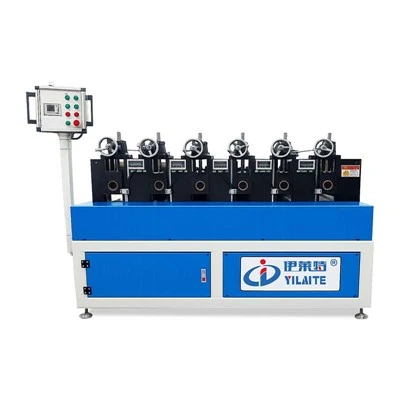
At the end of the day, operating steel formwork machinery is a specialized job that combines technical knowledge, hands-on skill, and a commitment to safety. It’s not a role you can walk into without the right training, certifications, and experience, and as a supplier, we take those requirements seriously to protect our customers, our equipment, and the people who work on construction sites. If you’re working on a project that involves steel formwork machinery, make sure your operator meets all the foundational qualifications, specialized training, and local legal requirements before you start. A little upfront effort to get the right person for the job will save you from costly mistakes, delays, and safety issues down the line. If you’re ready to learn more about our machinery and what we offer to support qualified operators on your site, we’d welcome the chance to discuss your project and find the right solution for your needs.
Other Supporting Equipment References:
- Occupational Safety and Health Administration (OSHA). 29 CFR Part 1926 Subpart CC: Cranes and Derricks in Construction. U.S. Department of Labor, 2021.
- National Commission for the Certification of Crane Operators (NCCCO). Concrete Placement Crane Operator Certification Standards, 2022.
- American Concrete Institute (ACI). Practice Code for Concrete Formwork Systems (ACI 347-21), 2021.
- Steel Formwork Manufacturers Association (SFMA). Operator Training and Qualification Guidelines for Steel Formwork Machinery, 2023.
Foshan Yilaite Machinery Equipment Co., Ltd.
Foshan Yilaite Machinery Equipment Co., Ltd. is one of the most reliable steel formwork machinery manufacturers and suppliers in China, featured by quality products and good service. Please rest assured to buy CE approved steel formwork machinery from our factory. We also accept customized orders.
Address: No.28, Guangyun Road, Shishan Town, Nanhai District, Foshan City (next to Gaobian Bus Station)
E-mail: Myway18@163.com
WebSite: https://www.yilaitemachine.com/
