If you’ve ever walked down an office hallway, a grocery store aisle, or even a small business garage, chances are you’ve stared at a long, glass T-bulb—either the kind that hums and flickers for a few seconds when you flip the switch, or the sleeker, lightweight tubular LED version that’s quietly become the default in most modern setups. As a supplier who’s worked with these products for over a decade, I’ve seen firsthand how many people still ask: why trade a bulb I’ve used for 30 years for this new, tubular LED option? The short answer is that the comparison isn’t just about brightness or price—it’s about long-term cost, reliability, environmental impact, and even the little, daily frustrations that come with older fluorescent bulbs. Let’s break this down like I do when I’m talking to a café owner upgrading their back stockroom or a facilities manager retrofitting 10,000 office fixtures: real-world use, not just technical specs. Tubular LED T Bulb
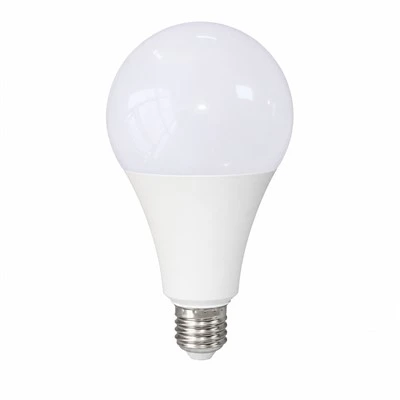
First, let’s get the basics straight for anyone who might not know the jargon. Both T-bulbs are named for their shape: the “T” refers to tubular, and the number after it is the diameter in eighths of an inch. So a T8 bulb, the most common size for offices, retail, and industrial spaces, is 1 inch in diameter—same for both fluorescent and tubular LED versions. That means they fit into the same fixtures for the most part, which is a big selling point for anyone who doesn’t want to rewire every light in their building to upgrade. But that’s where the similarities end.
Let’s start with the thing that matters most to most of my customers: cost. Not just the upfront price tag, but the total cost over the life of the bulb. I’ve had a café owner tell me they bought a case of 10 fluorescent T8 bulbs for $15, which sounds cheap—until I remind them that each fluorescent bulb lasts, on average, 15,000 hours. A tubular LED T8 bulb, by contrast, lasts 50,000 hours or more, sometimes even 60,000 depending on the quality. Let’s do the math for a space that runs lights 12 hours a day, five days a week—standard for most offices or retail: a fluorescent bulb would need to be replaced every two and a half years; an LED T-bulb would last over 10 years. That’s four replacements for every one LED bulb. Add in the cost of labor to swap bulbs, especially in high ceilings or hard-to-reach fixtures, and the difference gets even starker. Most of my customers tell me that within three to four years of switching to tubular LED T-bulbs, they’ve already recouped the higher upfront cost and started saving money every month. The other big cost? Energy bills. Fluorescent bulbs are only about 70% energy efficient—they turn most of their power into heat, not light. Tubular LED T-bulbs are 90%+ efficient, so they use 30-50% less energy to produce the same brightness. For a 100-bulb office, that’s hundreds of dollars a year on electricity alone. I once worked with a small manufacturing plant that cut their annual lighting energy bill by $1,200 just by swapping out their fluorescent T-bulbs for our LED versions—no other changes, just the bulbs.
Next up: reliability and daily usability. This is where the old fluorescent bulbs really fall short, in my experience. Anyone who’s had a fluorescent bulb in a garage, a hallway, or a space that gets cold knows the frustration: flip the switch, and it flickers for three, four, even 10 seconds before turning on. In freezing temperatures (like a loading dock that’s not heated), some fluorescent bulbs won’t turn on at all, or will only produce a dim, blueish light for the first hour. That’s not just annoying—it’s a safety hazard for warehouses or construction sites where you need immediate, consistent light. Tubular LED T-bulbs turn on instantly, full brightness, no matter the temperature, down to -40°F if we’re talking about high-quality models (not the cheap knockoff ones you might find at a big box store). They also don’t have that annoying hum that old fluorescent fixtures make, the one that gives you a headache over 8-hour workdays. I’ve had teachers tell me that the hum from their classroom fluorescent bulbs was a constant distraction for students, and after switching to LED T-bulbs, test scores improved slightly because kids could focus better. Fluorescent bulbs also have a tendency to burn out suddenly, sometimes without warning—one day they work, the next they’re dark, leaving you in the dark until you can replace them. Tubular LED T-bulbs have a far lower failure rate, and when they do start to fade, it’s a slow process, so you have time to plan a replacement instead of scrambling. That same manufacturing plant I mentioned earlier only has to replace a handful of LED bulbs a year, versus dozens of fluorescent bulbs that burn out randomly, sometimes leading to downtime on the production floor.
Then there’s light quality, which is a big one for retail and hospitality businesses that need their products to look good. Old fluorescent bulbs produce a harsh, often yellow or blueish light that can make food look stale, clothing look faded, or skin tone look off. They also have poor color rendering—meaning the light doesn’t accurately show the true colors of objects. That’s a huge problem for a grocery store selling produce, a boutique selling clothing, or a restaurant where customers want to see how their food and drinks look. Tubular LED T-bulbs can be customized with color temperatures: 3000K for warm, cozy light in restaurants, 4000K for neutral, bright light in offices, 5000K for crisp, accurate light in retail spaces. The best LED T-bulbs have a Color Rendering Index (CRI) of 80 or higher, some even 90+, which means they show colors almost exactly how natural sunlight does. I had a bakery customer who switched from fluorescent to our LED T-bulbs because their wedding cake displays looked dull and unappetizing under the old bulbs. After the switch, customers started commenting that their cakes looked brighter and more delicious, and they saw a 15% increase in cake orders from walk-ins. That’s a direct impact on the bottom line, something I don’t think enough people consider when they only look at bulb cost.
Now, what about the myths people still tell me about LED bulbs? I hear them all the time: LEDs are more expensive upfront, they’re bad for the environment, they don’t work in dimmable fixtures. Let’s address each one. Yes, high-quality tubular LED T-bulbs are more expensive than cheap fluorescent bulbs, but as I mentioned earlier, the total cost over time is far lower. And the “cheap” fluorescent bulbs have their own hidden environmental costs: most contain mercury, a toxic heavy metal that’s harmful if the bulb breaks, and many get thrown in landfills instead of being recycled properly, leaching mercury into soil and water. LED bulbs don’t contain mercury (well, a tiny, negligible amount, less than what’s in a watch battery), so they’re safer to handle and dispose of, and most can be recycled at hardware stores or through our supplier program, which keeps them out of landfills. The dimmable myth is true for cheap LED bulbs, but high-quality tubular LED T-bulbs are made to work with most standard dimmable fixtures—my team works with customers to test fixtures before delivery to make sure there’s no flickering or compatibility issues.
I want to be honest here, because I’m a supplier, not just a salesperson. Tubular LED T-bulbs aren’t perfect. The cheapest ones on the market—you know, the ones for $2 a bulb that pop up on Amazon—can have poor color rendering, a short lifespan, or cause flickering that can trigger headaches for people with sensitivities. That’s why it’s important to work with a reputable supplier who understands what you need. If you’re a warehouse, you need a bulb that works in cold temperatures and lasts 5+ years. If you’re a small café, you need a bulb that has warm, inviting light and fits your existing fixtures. If you’re a school, you need a bulb that’s safe, has no hum, and is easy to replace. That’s the part most big box stores don’t tell you: not all LED T-bulbs are the same, and comparing a $2 LED bulb to a $1 fluorescent bulb is an apples to oranges comparison.
Over the past five years, I’ve seen the market shift so much that it’s rare for a new construction project to specify fluorescent T-bulbs anymore. Most cities have energy codes that require LED lighting in commercial spaces, and even small business owners are making the switch because of the cost savings. I recently helped a 10-store retail chain retrofit all their lighting, and they calculated that the $12,000 upfront cost for LED T-bulbs would pay for itself in energy and labor savings in just 18 months. That’s a return on investment most businesses can’t turn down.
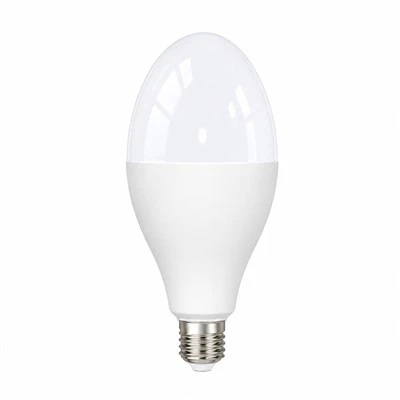
At the end of the day, the comparison between tubular LED T-bulbs and traditional fluorescent T-bulbs comes down to value. Fluorescent bulbs work, sure, but they’re inefficient, short-lived, frustrating to use, and costly over time. Tubular LED T-bulbs are a small upfront investment that pays off every month, while being better for your space, your customers, and the planet. If you’re thinking about upgrading your lighting, or you’re tired of dealing with flickering bulbs and high energy bills, reach out to talk through your needs—whether you’re a single café owner with 10 bulbs or a large industrial facility with thousands. We can help you pick the right bulb for your space, no pressure, no jargon, just real solutions that save you money and hassle.
LED Color Bulb References
United States Department of Energy. (2023). Lighting Technology Fact Sheet: Linear T8 LED vs. Fluorescent Bulbs.
Energy Star. (2024). Commercial Lighting Upgrade Guide for Small and Medium Businesses.
Occupational Safety and Health Administration (OSHA). (2022). Indoor Lighting Quality and Worker Productivity.
International Energy Agency (IEA). (2023). The Future of Lighting: Energy Efficiency Trends in Commercial Buildings.
National Fire Protection Association (NFPA). (2021). Mercury and Hazardous Materials in Residential and Commercial Lighting Products.
Hangzhou Lin’an Mingfeng Electric Parts Co., Ltd.
Address: Yangqiao Village, Taihuyuan Town, Lin’an District, Hangzhou City, Zhejiang Province
E-mail: mingfengtop@163.com
WebSite: https://www.mingfengtop.com/
