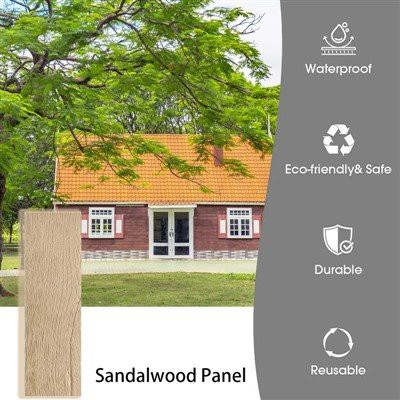
As a supplier of Flexible Stone, I’ve often been asked about the water absorption rate of this remarkable material. It’s a crucial property that significantly impacts the performance and application of Flexible Stone in various settings. In this blog post, I’ll delve into what the water absorption rate of Flexible Stone is, why it matters, and how it can influence your choice of this material for your projects. Flexible Stone
Understanding Water Absorption Rate
The water absorption rate refers to the amount of water that a material can absorb under specific conditions, usually expressed as a percentage of the material’s dry weight. For Flexible Stone, the water absorption rate is a key indicator of its porosity and its ability to resist water penetration. A low water absorption rate is generally desirable as it means the material is less likely to be affected by water damage, such as cracking, staining, or mold growth.
Factors Affecting the Water Absorption Rate of Flexible Stone
Several factors can influence the water absorption rate of Flexible Stone. One of the primary factors is the composition of the material. Flexible Stone is typically made from a combination of natural stone powder, resin, and other additives. The type and proportion of these components can significantly impact the material’s porosity and water absorption characteristics.
For example, a Flexible Stone with a higher proportion of resin may have a lower water absorption rate because the resin acts as a binder that fills the pores in the stone powder, reducing the material’s ability to absorb water. On the other hand, a Flexible Stone with a higher proportion of natural stone powder may have a higher water absorption rate because the stone powder is more porous.
Another factor that can affect the water absorption rate of Flexible Stone is the manufacturing process. The way the material is mixed, molded, and cured can also influence its porosity and water absorption characteristics. A well-manufactured Flexible Stone with a uniform structure and minimal voids is likely to have a lower water absorption rate than a poorly manufactured one.
The surface finish of the Flexible Stone can also play a role in its water absorption rate. A smooth, polished surface is less porous and more resistant to water penetration than a rough, textured surface. Therefore, a Flexible Stone with a smooth surface finish is likely to have a lower water absorption rate than one with a rough surface finish.
Importance of Water Absorption Rate in Flexible Stone Applications
The water absorption rate of Flexible Stone is an important consideration in various applications. In exterior applications, such as building facades and cladding, a low water absorption rate is essential to prevent water from seeping into the building structure and causing damage. Water can penetrate the Flexible Stone and reach the underlying structure, leading to problems such as corrosion, mold growth, and structural damage. A Flexible Stone with a low water absorption rate can help to protect the building from these issues and ensure its long-term durability.
In interior applications, such as wall and floor coverings, a low water absorption rate is also important to prevent water damage and staining. Water can cause the Flexible Stone to discolor or warp, especially in areas with high humidity or frequent water exposure, such as bathrooms and kitchens. A Flexible Stone with a low water absorption rate can help to maintain its appearance and integrity over time, even in these challenging environments.
In addition to its impact on durability and appearance, the water absorption rate of Flexible Stone can also affect its performance in other ways. For example, a Flexible Stone with a high water absorption rate may be more prone to freezing and thawing damage in cold climates. When water freezes inside the pores of the material, it expands, which can cause the stone to crack or spall. A Flexible Stone with a low water absorption rate is less likely to be affected by these issues and can provide better performance in cold weather conditions.
Measuring the Water Absorption Rate of Flexible Stone
The water absorption rate of Flexible Stone is typically measured according to international standards, such as ASTM C97 or ISO 10545. These standards specify the test methods and procedures for measuring the water absorption rate of natural and artificial stone materials.
To measure the water absorption rate of Flexible Stone, a sample of the material is first dried in an oven at a specified temperature for a specified period of time to remove any moisture. The dry weight of the sample is then recorded. The sample is then immersed in water for a specified period of time, usually 24 hours, to allow it to absorb water. After the immersion period, the sample is removed from the water, dried on the surface with a towel, and weighed again. The difference between the wet weight and the dry weight of the sample is then calculated, and the water absorption rate is expressed as a percentage of the dry weight.
Typical Water Absorption Rates of Flexible Stone
The water absorption rate of Flexible Stone can vary depending on the specific product and its composition. Generally, high-quality Flexible Stone products have a water absorption rate of less than 0.5%, which is considered very low. This low water absorption rate makes Flexible Stone an excellent choice for applications where water resistance is critical.
However, it’s important to note that the water absorption rate of Flexible Stone can also be affected by factors such as the surface finish, the thickness of the material, and the environmental conditions. Therefore, it’s always recommended to check the product specifications and consult with the manufacturer or supplier to determine the exact water absorption rate of the Flexible Stone you are considering for your project.
How to Choose a Flexible Stone with a Suitable Water Absorption Rate
When choosing a Flexible Stone for your project, it’s important to consider the specific requirements of your application. If you are using the Flexible Stone in an exterior application or in an area with high humidity or frequent water exposure, it’s recommended to choose a product with a low water absorption rate of less than 0.5%. This will ensure that the material is resistant to water damage and can provide long-term performance.
On the other hand, if you are using the Flexible Stone in an interior application where water exposure is minimal, you may be able to choose a product with a slightly higher water absorption rate. However, it’s still important to ensure that the water absorption rate is within an acceptable range to prevent any potential issues.
In addition to the water absorption rate, you should also consider other factors such as the color, texture, and thickness of the Flexible Stone, as well as its durability, ease of installation, and maintenance requirements. By considering all of these factors, you can choose the right Flexible Stone for your project and ensure its success.
Conclusion
The water absorption rate is a critical property of Flexible Stone that can significantly impact its performance and application in various settings. A low water absorption rate is generally desirable as it means the material is less likely to be affected by water damage, such as cracking, staining, or mold growth. When choosing a Flexible Stone for your project, it’s important to consider the specific requirements of your application and choose a product with a suitable water absorption rate.
If you are interested in learning more about our Flexible Stone products or have any questions about the water absorption rate or other properties of our materials, please don’t hesitate to contact us. Our team of experts is always ready to assist you in finding the right solution for your project. We look forward to the opportunity to work with you and help you achieve your goals.
Flexible Stone References
- ASTM C97 – Standard Test Methods for Absorption and Bulk Specific Gravity of Dimension Stone
- ISO 10545 – Ceramic tiles — Part 3: Determination of water absorption, apparent porosity, apparent relative density and bulk density
Jiangsu Baidai Energy-Saving Building Materials Co., Ltd.
As one of the most professional flexible stone manufacturers and suppliers in China for over 20 years, we also support customized service. Please feel free to buy flexible stone made in China here and get free sample from our factory. For price consultation, contact us.
Address: NO.37 Standard Workshop, Hailing Industrial Park, Taizhou City, Jiangsu Province, P.R.China
E-mail: Andy@baidai.cn
WebSite: https://www.bdflexiblestone.com/
