In the culinary world, the quest for the perfect mold to shape and cook delicious treats is a constant pursuit. Among the various materials available, container aluminum foil has emerged as a topic of interest. As a trusted supplier of container aluminum foil, I’ve received numerous inquiries about its suitability for making food molds. In this blog post, we’ll explore the properties of container aluminum foil and delve into whether it can be effectively used for this purpose. Container Aluminum Foil
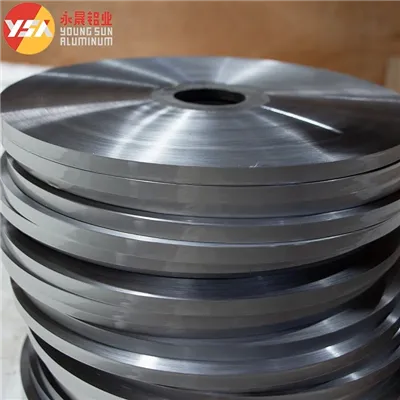
Understanding Container Aluminum Foil
Container aluminum foil is a versatile material widely used in the food industry and household kitchens. It is made from thin sheets of aluminum, which provide excellent barrier properties against light, oxygen, moisture, and bacteria. This makes it ideal for packaging and preserving food, keeping it fresh for longer periods.
The foil comes in different thicknesses, ranging from as thin as 0.006mm to as thick as 0.2mm. Thinner foils are more flexible and are often used for wrapping food items, while thicker foils are more rigid and can withstand greater heat and pressure. Container aluminum foil is also available in various shapes and sizes, including trays, pans, and rolls, making it convenient for different applications.
Properties That Make Aluminum Foil Suitable for Food Molds
Heat Conductivity
One of the key advantages of using container aluminum foil for food molds is its excellent heat conductivity. Aluminum is a highly efficient conductor of heat, which means that it can quickly transfer heat to the food inside the mold. This results in even cooking and baking, ensuring that the food is cooked thoroughly and evenly.
For example, when baking a cake in an aluminum foil mold, the heat will be distributed evenly throughout the mold, preventing hot spots and ensuring that the cake rises evenly. This is especially important for delicate baked goods, such as soufflés and meringues, which require precise temperature control.
Malleability
Container aluminum foil is extremely malleable, which means that it can be easily shaped and formed into different mold designs. This makes it a popular choice for creating custom-made food molds for special occasions or unique recipes.
You can use your hands or simple tools to shape the foil into the desired mold shape, such as circles, squares, rectangles, or even intricate designs. This flexibility allows you to experiment with different shapes and sizes, giving you the freedom to create one-of-a-kind food presentations.
Disposability
Another advantage of using container aluminum foil for food molds is its disposability. After using the mold, you can simply throw it away, eliminating the need for cleaning and storage. This is especially convenient for large-scale events or commercial kitchens, where time and efficiency are crucial.
In addition, disposable aluminum foil molds are more hygienic than reusable molds, as they can be discarded after each use, reducing the risk of cross-contamination and foodborne illnesses.
Limitations of Using Container Aluminum Foil for Food Molds
Durability
While container aluminum foil is relatively strong and can withstand some pressure, it is not as durable as other materials, such as silicone or metal. Thinner foils may tear or puncture easily, especially when handling or removing the food from the mold.
To overcome this limitation, it is recommended to use thicker foils for more complex or heavy food items. You can also reinforce the foil by double-layering it or using a support structure, such as a baking pan or a wire rack, to provide additional stability.
Non-Stick Properties
Container aluminum foil does not have inherent non-stick properties, which means that the food may stick to the mold during cooking or baking. This can make it difficult to remove the food from the mold without damaging its shape or texture.
To prevent sticking, you can grease the foil with cooking oil, butter, or a non-stick spray before using it as a mold. You can also line the foil with parchment paper or a silicone baking mat for added non-stick protection.
Chemical Reactions
Aluminum is a reactive metal, which means that it can react with certain foods, especially acidic or alkaline ones. This can cause the foil to discolor, corrode, or even leach aluminum into the food.
To avoid chemical reactions, it is recommended to avoid using container aluminum foil with highly acidic foods, such as tomatoes, citrus fruits, or vinegar, or highly alkaline foods, such as baking soda or ammonia. If you need to use aluminum foil with these types of foods, it is best to line the foil with parchment paper or a silicone baking mat to create a barrier between the food and the foil.
Tips for Using Container Aluminum Foil as Food Molds
Choose the Right Thickness
As mentioned earlier, the thickness of the container aluminum foil is an important factor to consider when using it as a food mold. Thinner foils are more flexible and are suitable for lightweight or delicate food items, while thicker foils are more rigid and can withstand greater heat and pressure.
For general baking and cooking, a foil thickness of 0.016mm to 0.025mm is usually sufficient. However, for more complex or heavy food items, such as meatloaves or lasagnas, you may need to use a thicker foil, such as 0.03mm to 0.05mm.
Grease the Foil
To prevent the food from sticking to the mold, it is important to grease the foil before using it. You can use cooking oil, butter, or a non-stick spray to coat the foil evenly. Make sure to cover all the surfaces of the mold, including the sides and the bottom.
If you are using a non-stick spray, hold the can about 6 inches away from the foil and spray a light, even coat over the entire surface. You can also use a pastry brush to apply the oil or butter to the foil.
Line the Foil
In addition to greasing the foil, you can also line it with parchment paper or a silicone baking mat for added non-stick protection. This is especially useful for sticky or moist foods, such as cheesecakes, brownies, or sticky buns.
To line the foil with parchment paper, cut a piece of paper to fit the size and shape of the mold. Place the paper in the mold and press it down gently to ensure that it adheres to the foil. You can also use a silicone baking mat in the same way.
Use a Support Structure
If you are using a thin or flexible foil to make a food mold, it may be necessary to use a support structure to provide additional stability. This can be a baking pan, a wire rack, or even a cookie sheet.
To use a support structure, place the foil mold inside the pan or on the rack. Make sure that the mold is centered and that there is enough space around it for the food to expand during cooking or baking. You can also use the support structure to lift the mold in and out of the oven, making it easier to handle.
Conclusion
In conclusion, container aluminum foil can be a viable option for making food molds, thanks to its excellent heat conductivity, malleability, and disposability. However, it also has some limitations, such as durability, non-stick properties, and chemical reactions, which need to be considered when using it for this purpose.

By following the tips and guidelines outlined in this blog post, you can use container aluminum foil to create beautiful and functional food molds for your culinary creations. Whether you are a professional chef or a home cook, container aluminum foil is a versatile and cost-effective material that can help you take your cooking and baking to the next level.
6 Micron Aluminum Foil If you are interested in purchasing container aluminum foil for your food mold needs, please feel free to contact us. Our team of experts is always ready to assist you in choosing the right product and providing you with the best possible service. We look forward to hearing from you and helping you achieve your culinary goals.
References
- "Aluminum Foil: Properties and Applications." International Aluminum Institute.
- "Food Packaging Materials: A Review." Journal of Food Science and Technology.
- "Culinary Arts and Sciences: A Professional Approach." Pearson Education.
Henan Yongsheng Aluminum Industry Co., Ltd.
We are one of the most reliable container aluminum foil manufacturers and suppliers in China. With abundant experience, we warmly welcome you to buy high-grade container aluminum foil for sale here from our factory. All custom made products are with high quality and competitive price.
Address: Gongyi City Industrial Cluster District, Huiguo Town, Gongyi City, Henan Province
E-mail: eric@ysaluminum.cn
WebSite: https://www.ysaluminummill.com/
